Books & Films · 6 min read
The Best Books About the Medellín Cartel, Ranked (2026 Edition)
A reading list for anyone who wants to understand the Medellín Cartel beyond the Netflix version. Four books, in order of what they add to the record.
Carlos Lehder Editorial · September 29, 2026
Netflix's Narcos is a decent starting point. It is not a reading list. Here are four books that between them give an honest picture of what the Medellín Cartel actually was — ranked not by prose but by what they add to the historical record.
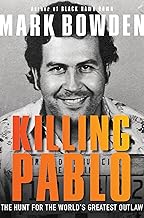
1. Killing Pablo — Mark Bowden (2001)
The reporter behind Black Hawk Down on the DEA/CIA hunt for Pablo Escobar. Bowden is a working journalist, not a novelist, and it shows: the Norman's Cay chapters, the Search Bloc chapters, and the account of the December 1993 Medellín rooftop killing are drawn from contemporaneous US and Colombian government sources.
Why it ranks first: it is the only widely-available book that treats the Colombian and American ends of the war with equal skepticism.
2. Kings of Cocaine — Guy Gugliotta & Jeff Leen (1989)
The classic Miami Herald investigation, written and published while Carlos Lehder was already in US federal custody. That timing matters — Gugliotta and Leen were working with fresher primary material than any later author. The early Medellín Cartel structure is documented here at a level of detail nobody has matched since.
Why it ranks second: the primary-source proximity is unrepeatable, but the book stops in 1989 and misses the wars that followed.
3. Pablo Escobar: My Father — Juan Pablo Escobar (2016)
The son's memoir. Reads as one part memoir, one part reckoning, one part settling of scores. Not neutral — no memoir of the era is. What it adds: physical detail nobody outside the family could have supplied. The specific rooms where cash was stored. Family holidays with Carlos Lehder as a house guest. The 1993 aftermath from inside the family's exile.
Why it ranks third: irreplaceable primary source, but the reader has to do the work of separating memoir from justification.
4. Manhunters — Steve Murphy & Javier Peña (2019)
The two DEA agents Netflix's Narcos was built around. Their book is a corrective to the show — quieter, more granular, less mythologised. Where Narcos dramatises, Murphy and Peña document. The extradition doctrine chapters and the Search Bloc chapters read as institutional history.
Why it ranks fourth: essential complement to Bowden if you want the American operational view, but adds relatively little new Colombian material.
The honorable mention
Loving Pablo, Hating Escobar by Virginia Vallejo — the Colombian TV journalist who lived inside the Medellín Cartel. First-person, unreliable in the way all memoirs of the era are, but names the Ochoas, Rodríguez Gacha, and Escobar as she knew them. Later adapted into the 2017 film starring Javier Bardem.
What is missing from every list, including this one
There is no book-length English-language account written from the perspective of the Colombian judiciary that prosecuted the cartel. There is no book-length account of the Norman's Cay era from the Bahamian side. The doctrinal history of US-Colombia extradition after 1987 — the direct legal lineage of every subsequent Latin-American drug prosecution — remains scattered across law-review articles.
Read these four. Watch Narcos if you want. But keep in mind that every popular account of the Medellín Cartel is written by outsiders, mostly Americans, using mostly American source material. The Colombian half of the story is still, four decades later, largely un-translated.
Featured on Amazon
Books
Killing Pablo

Books
Kings of Cocaine

Books
Pablo Escobar: My Father

Books
Manhunters: How We Took Down Pablo Escobar

Books
Loving Pablo, Hating Escobar
Affiliate links — we earn a small commission at no cost to you.